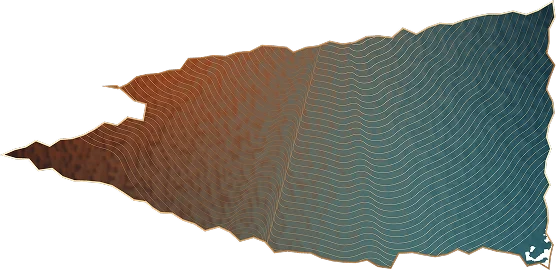
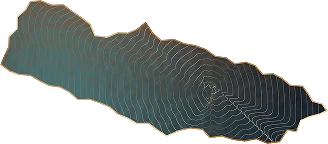
Bera Adan refers to highland rice varieties cultivated in the Ba’kelalan and Krayan highlands, an area where Sarawak meets Kalimantan. These grains are grown in cooler climates, on terraced fields that depend on clean mountain water and careful shared management. The varieties are often recognised for their distinctive colours, fragrance and texture, and have been studied as a geographically unique crop.
Farmers such as Sakai Dawat treat Bera Adan not simply as a commodity but as an inheritance. Seed selection, planting rhythms and harvest rituals are guided by local knowledge. Yields are modest compared to industrial rice, yet the grain carries layers of meaning: sovereignty over land, community cooperation, and the taste of a specific altitude and valley.
In a terroir economy, Bera Adan stands as proof that small-scale agriculture can hold both cultural and economic value. When we choose such rice, we support the landscapes that grow it, and the communities that have safeguarded these seeds through decades of pressure to standardise.